
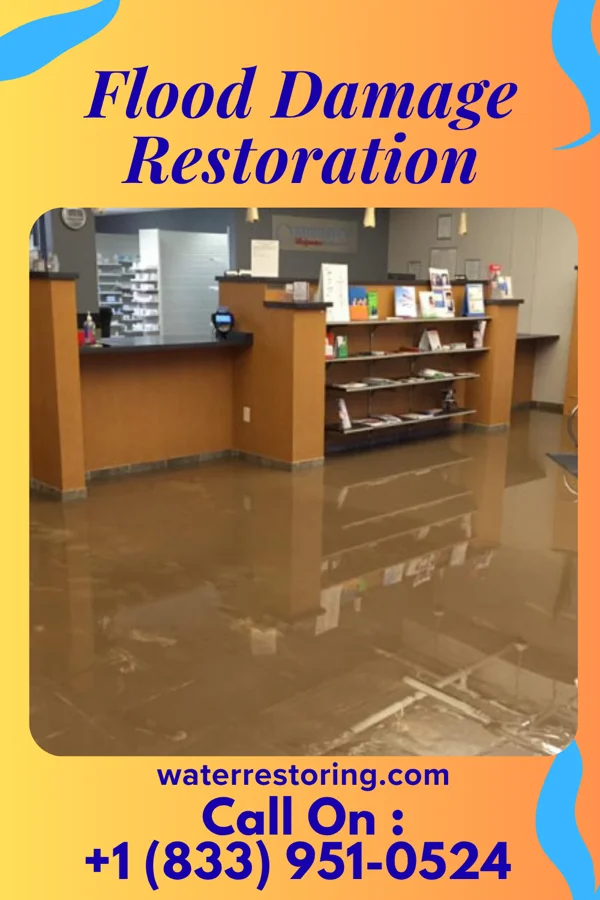
How Fort Lewis Neighborhoods Flood
Every neighborhood in Fort Lewis has a different water damage risk profile. The one that shows up on most restoration calls is Fort Lewis, Washington, is prone to flooding due to its proximity to the Nisqually River and the surrounding low-lying terrain. Heavy rainfall from winter storms and snowmelt can lead to rapid water accumulation, especially in areas near the riverbanks and military installations. The region's topography and drainage systems also contribute to localized flooding during extreme weather events..
The climate in Fort Lewis is characterized by wet winters and dry summers, with a significant risk of flash flooding during the spring and early fall. The area experiences frequent heavy precipitation, which can overwhelm local drainage systems and lead to water intrusion in residential and commercial properties.
Water damage in Fort Lewis follows a few local patterns. Fort Lewis, Washington, is prone to flooding due to its proximity to the Nisqually River and the surrounding low-lying terrain. Heavy rainfall from winter storms and snowmelt can lead to rapid water accumulation, especially in areas near the riverbanks and military installations. The region's topography and drainage systems also contribute to localized flooding during extreme weather events. accounts for the bulk of our calls. The climate in Fort Lewis is characterized by wet winters and dry summers, with a significant risk of flash flooding during the spring and early fall. The area experiences frequent heavy precipitation, which can overwhelm local drainage systems and lead to water intrusion in residential and commercial properties. Mold can begin to grow within 48 hours of water exposure, making prompt action critical in Fort Lewis. Our team is trained to respond rapidly to prevent mold growth and protect your health and property.